Świat Podróży w Nowej Odsłonie: Zorza Polarna, Szybkie Koleje i Atrakcyjne Ceny
Artykuł przedstawia najnowsze trendy i nowości ze świata podróży. Dowiesz się, dlaczego Islandia stała się czołowym celem turystyki zorzowej, oraz jak nowo uruchomione szybkie połączenia kolejowe rewolucjonizują podróżowanie po Europie. Poznaj szczegóły dotyczące bezwizowego wjazdu do Tajlandii dla obywateli 93 krajów, co otwiera nowe możliwości dla turystów. Przewodnik omawia także, dlaczego Portugalia została uznana za najbardziej przystępny cenowo kierunek w Europie Zachodniej.
Narrated by Daniel Farkas ·
Transcript
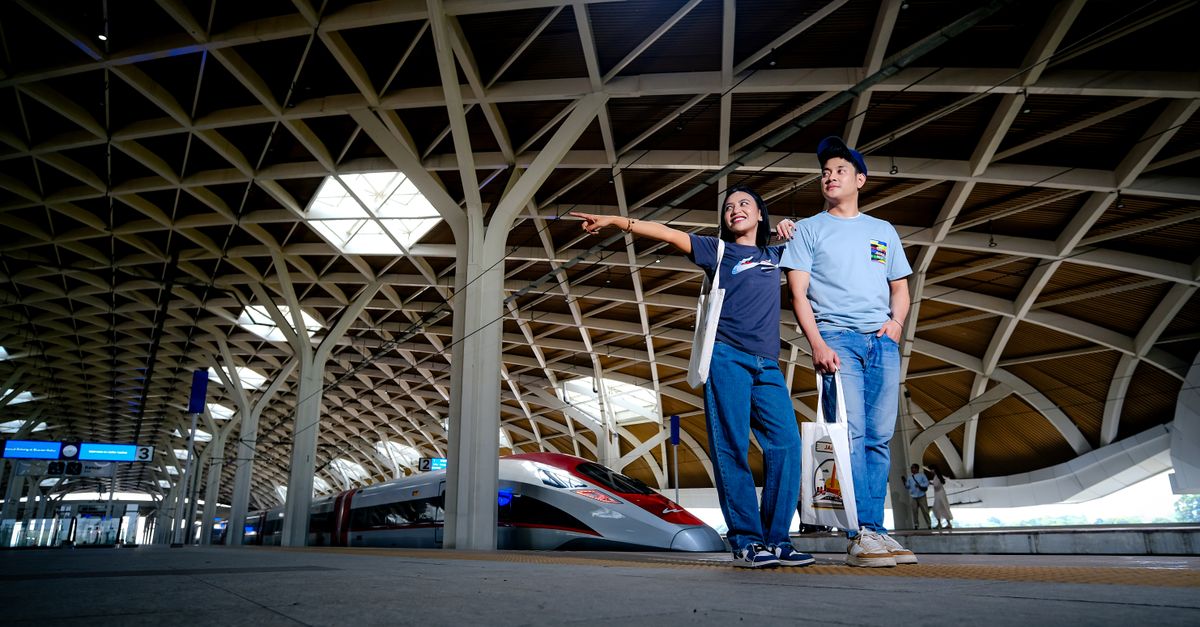
[Pre-roll — Dorothy] [Dorothy] Quick question — how do you plan your trips these days? [Daniel] Honestly? I just open BABEL.TRAVEL. BABEL.TRAVEL flight search with member pricing — one place, no hopping between tabs. [Dorothy] Even for your next trip? [Daniel] Especially for your next trip. Try it at babel dot travel. Hello there, and welcome back to the BABEL.TRAVEL podcast! I'm Daniel, your host, and I'm absolutely chuffed to bits to be with you today as we dive headfirst into the exciting world of travel in 2026 – a year that's truly shaping up to be a game-changer for explorers everywhere. Here at BABEL.TRAVEL, we've been poring over the latest trends and insights, and let me tell you, the future of travel isn't just arriving, it's already here, promising new destinations, innovative ways to explore, and a more conscious approach to our planet. Forget those old maps and well-trodden paths; 2026 is all about faster, more accessible, and eco-friendlier adventures. From the mesmerising dance of the Northern Lights over Iceland's volcanic landscapes, which are drawing record numbers, to a quiet revolution in European rail transport offering seamless, greener alternatives to short-haul flights – every piece of information, every new trend, is opening up fresh possibilities. BABEL.TRAVEL is your trusty guide through this dynamic world, helping you understand what these shifts truly mean for your future escapades, how best to plan them, and how to make the most of them, both for yourself and for our wonderful planet. So, buckle up, because we’re about to embark on a journey that might just exceed your wildest expectations. Now, 2026 is definitely going to be etched into the annals of tourism as a time of significant transformations. These changes are being driven by a fascinating mix of natural phenomena, deliberate political decisions, and some rather impressive infrastructural developments. Let's kick things off with **Iceland**, a country long cherished for its icy and volcanic vistas. It's truly cemented its position as the undisputed leader in Northern Lights tourism. This year, we're expecting a peak in solar activity, which has already resulted in some truly spectacular and frequent displays of the aurora borealis. This cosmic spectacle has been drawing record numbers of tourists to Reykjavík and the island's more remote corners, all utterly captivated by the celestial show. While this surge of interest has certainly invigorated the local economy, it's also presented challenges in sustainably managing such a growing influx of visitors. The response has been rather clever: new guided tours are promoting responsible aurora viewing away from city lights, and there's a real push for more eco-friendly accommodation options, all designed to protect Iceland's pristine natural beauty. Meanwhile, right here on the European continent, travel is undergoing a quiet, yet revolutionary, change. The expansion of high-speed rail networks, now seamlessly connecting key metropolises like Paris, Berlin, Rome, and Madrid, is offering travellers faster and far greener alternatives to short-haul flights. This transformation is a direct response to a growing environmental awareness and a collective desire to reduce our carbon footprint when we travel. Modern trains aren't just about comfort; they also offer the delightful opportunity to admire the ever-changing landscapes, making the journey itself a cherished part of the overall experience. Investments in rail infrastructure, often bolstered by EU funds, are aiming to create an integrated transport system that will make continent-hopping a breeze, all while reducing pressure on airports and improving air quality. Heading further afield, to Southeast Asia, **Thailand** has taken a bold step to revitalise its tourism sector after the pandemic years. They've introduced visa-free travel for citizens of no fewer than 93 countries, allowing stays of up to 60 days. This strategic move isn't just about attracting more tourists; it's designed to encourage longer stays and deeper exploration of the country's rich cultural and natural treasures. From the vibrant buzz of Bangkok, through the idyllic beaches of Phuket, to the ancient temples of Chiang Mai, Thailand truly offers countless possibilities. This decision, coupled with ongoing expansion of airport and hotel infrastructure, solidifies Thailand's position as one of the world's premier tourist destinations, fostering long-haul tourism and encouraging visitors to discover its lesser-known regions. Amidst all these shifts, **Portugal** continues to bask in the glory of being Western Europe's most affordable destination. It offers world-class experiences at a fraction of the cost you might find in Paris or London. This status, which Portugal has maintained for several years now, makes it incredibly attractive to a wide spectrum of travellers – from those on a tight budget to families, and even those seeking luxury at a more sensible price. The charm of Lisbon and Porto, the picturesque Algarve coastline, exquisite cuisine, and the warm hospitality of the Portuguese people all combine to create an extraordinary experience, making Portugal an ideal spot for both relaxation and discovery. In the Middle East, **Dubai** is consistently strengthening its position as a global travel hub, having just surpassed another record by handling over 90 million passengers annually at its international airport. Its strategic location, nestled between East and West, combined with continuous investment in luxurious infrastructure and tourist attractions, makes Dubai not only a crucial transit hub but also a dynamic destination in its own right. Dubai Airport is no longer just a place for layovers; it's a gateway to the world, offering seamless connections and opportunities for short, luxurious stopovers. Finally, the growing environmental consciousness is perfectly reflected in **Costa Rica**, which is leading the charge in ecotourism. They're introducing new regulations and incentives for carbon-neutral travel. This small Central American nation is truly a role model for the rest of the world, demonstrating how to harmoniously combine nature conservation with tourism development. From its lush rainforests, through dramatic volcanoes, to idyllic beaches, Costa Rica offers unforgettable experiences while simultaneously educating travellers about the vital importance of environmental protection. These initiatives, which support local communities and promote responsible practices, make Costa Rica an ideal destination for those who want to travel with purpose and minimal impact on the planet. All these elements together paint a picture of a dynamic and diverse travel landscape in 2026, offering countless opportunities for every kind of explorer. The sheer complexity and dynamism of this year's changes in the tourism sector mean that travellers need to adopt a more strategic approach to planning. The combination of record solar activity, newly opened borders, and improved transport infrastructure creates unique opportunities, but also presents us with new challenges. The surge in **Iceland's popularity for aurora viewing** means that early planning is absolutely crucial. Accommodation, especially those spots away from city lights, and specialised Northern Lights hunting tours, will be booked up well in advance. Experts are also predicting price increases during peak season, so travellers will need to be flexible with their dates or perhaps look for more budget-friendly accommodation outside of Reykjavík. In **Europe**, the rail revolution signals a paradigm shift for many travellers. Instead of the usual airport faff and short flights, more and more people will opt for comfortable and efficient high-speed trains. It's not just about ecology, you see, but also convenience and saving time – the central location of train stations in cities eliminates the need for those often-tedious long commutes to the airport. This trend will undoubtedly favour city breaks and the chance to link several European capitals in one seamless trip. Do remember, though, that popular routes may also require early booking, especially during holiday periods. **Thailand's decision to waive visas for 93 countries** is a huge deal [Mid-roll — Lily] [Lily] Quick question — how do you plan your trips these days? [George] Honestly? I just open BABEL.TRAVEL. BABEL.TRAVEL hotels and stays with loyalty points — one place, no hopping between tabs. [Lily] Even for your next trip? [George] Especially for your next trip. Try it at babel dot travel. [Post-roll — Daniel] [Daniel] Quick question — how do you plan your trips these days? [Dorothy] Honestly? I just open BABEL.TRAVEL. YayOrNay group voting on babel.travel/yayornay — one place, no hopping between tabs. [Daniel] Even for your next trip? [Dorothy] Especially for your next trip. Try it at babel dot travel.