Summer Travel Hotlist: Eco-Resorts, High-Speed Trains, Affordable Flights & Culinary Adventures
This summer promises exciting travel opportunities with major developments worldwide. Australia's Great Barrier Reef now boasts a new eco-resort, offering sustainable luxury in a pristine environment. Meanwhile, Morocco has launched an expansive train network, making travel between its key tourist cities much more convenient. Culinary adventurers will be drawn to Vietnam, which is rapidly emerging as a top food tourism destination, especially as airfare prices are projected to drop, making these global experiences more accessible.
By Daniel Farkas ·
Travel story
**Quick Answer**
The travel landscape in 2026 is defined by enhanced accessibility, sustainable luxury, and expanded opportunities for immersive cultural experiences and remote work. Travelers can anticipate more affordable airfares for summer journeys due to increased capacity (CNBC, 2026), while new high-speed rail networks in Morocco connect key tourist hubs, dramatically cutting travel times (Al Jazeera, 2026). Simultaneously, destinations like Australia are pioneering eco-luxury resorts that fund marine conservation (Condé Nast Traveler, 2026), and New Zealand is welcoming remote workers with a new digital nomad visa program (Forbes, 2026).
**Key Numbers at a Glance**
| Metric | Value | Source |
|---|---|---|
| New GBR Eco-Resort | Opened 2026 | Condé Nast Traveler, 2026 |
| Morocco Rail Expansion | Marrakech-Casablanca-Tangier link | Al Jazeera, 2026 |
| Airfare Price Trend | Expected to drop for summer | CNBC, 2026 |
| Vietnam Tourism Focus | Top Food Destination | Food & Wine, 2026 |
| NZ Digital Nomad Visa | Up to 12 months stay | Forbes, 2026 |
| Swiss Alps Tourism | Year-round boom | The Independent, 2026 |
Imagine a world where your wanderlust isn't just a fleeting desire, but a profound journey shaped by purpose, possibility, and unparalleled ease. For decades, the travel narrative has been about exploration, discovery, and sometimes, simply escape. But as we step into 2026, a new chapter is unfolding, one that promises deeper connections, broader horizons, and smarter ways to experience our planet. From the sun-drenched shores of Australia to the bustling souks of Morocco, and the serene peaks of the Swiss Alps, the global travel scene is undergoing a transformative evolution, inviting us all to pack our bags with renewed excitement.
This isn't merely about new destinations opening up; it's about a fundamental shift in how we travel. It’s about seamless transitions, whether by high-speed rail across vibrant landscapes or through more accessible skies. It’s about choosing experiences that resonate, from savoring the world’s best street food to contributing to marine conservation while indulging in luxury. And for many, it's about integrating life and work into a global tapestry, thanks to innovative visa programs. The stage is set for an era where every journey can be both an adventure and a statement, an opportunity to engage with the world in ways previously unimagined.
**The Evolving Landscape of Global Travel: A New Era of Accessibility and Purpose**
The year 2026 marks a pivotal moment in the evolution of global travel, characterized by significant advancements in infrastructure, a heightened focus on sustainability, and innovative approaches to work-life integration. These developments are not isolated incidents but rather interconnected threads weaving a richer tapestry for the modern traveler. A prime example of this progressive shift is Australia's opening of a new Great Barrier Reef Eco-Resort (Condé Nast Traveler, 2026). This isn't just another luxury accommodation; it's a testament to a growing demand for travel that gives back. Located in one of the world's most vital marine ecosystems, the resort directly funnels funds into critical conservation research, offering guests an unparalleled opportunity to experience breathtaking natural beauty while actively contributing to its preservation. This trend towards "purpose-driven luxury" signifies a mature understanding among travelers that indulgence and responsibility can, and should, coexist. It moves beyond superficial greenwashing, embedding environmental stewardship directly into the core business model, ensuring that every stay has a positive, tangible impact.
Parallel to this commitment to sustainability is a dramatic improvement in global connectivity and accessibility. Morocco, a destination long cherished for its vibrant culture and ancient cities, has significantly enhanced its internal travel network (Al Jazeera, 2026). The expansion of its high-speed rail system now seamlessly links major tourist hubs like Marrakech, Casablanca, and Tangier. This development is a game-changer for travelers, drastically cutting down travel times and making multi-city itineraries far more efficient and enjoyable. Historically, traversing Morocco could involve lengthy bus journeys or internal flights, but this modern infrastructure elevates the travel experience, allowing visitors more time to immerse themselves in the souks, medinas, and coastal vistas. It democratizes access, making the country’s diverse attractions more approachable for a wider demographic of international visitors. This investment in infrastructure not only benefits tourists but also fosters economic growth and connectivity within the nation, positioning Morocco as a leading example of how modern transport can enhance tourism without sacrificing cultural authenticity.
Beyond specific destinations, the overarching economics of travel are also shifting in favor of the consumer. Airfare prices are expected to drop significantly for summer travel in 2026 (CNBC, 2026), a welcome relief for budget-conscious explorers. This anticipated decrease is attributed to increased airline capacity and the entry of new budget carriers into the market, creating a more competitive environment. This economic boon has profound implications, potentially unlocking destinations previously considered too expensive for many, and allowing travelers to extend their trips or allocate more budget to experiences rather than transport. This confluence of factors – sustainable luxury, enhanced regional connectivity, and more affordable long-haul travel – paints a picture of a travel landscape ripe with opportunity. It empowers travelers to explore more conscientiously, more efficiently, and more affordably, setting the stage for a period of unprecedented global exploration and cultural exchange.
**Decoding the 2026 Travel Horizon: Smart Choices for Savvy Explorers**
The current convergence of these global travel trends presents a unique opportunity for discerning travelers to redefine their itineraries and experiences. The anticipated drop in airfare prices (CNBC, 2026) is perhaps the most immediate and impactful development, acting as a catalyst for explorations that might have been cost-prohibitive in previous years. This affords travelers the flexibility to consider more distant destinations like Australia or New Zealand, or to plan longer, more intricate multi-country trips without breaking the bank. For instance, combining the culinary delights of Vietnam with a nature-focused adventure in New Zealand becomes a more financially viable option, allowing for a truly global immersion. This economic shift encourages a more ambitious approach to travel planning, moving beyond quick getaways to encompass grander adventures and more profound cultural deep dives.
Moreover, the rise of purpose-driven tourism, exemplified by Australia's new Great Barrier Reef eco-resort (Condé Nast Traveler, 2026), signifies a mature evolution in traveler priorities. It’s no longer enough to simply visit a beautiful place; there's a growing desire to contribute positively to it. This trend extends beyond marine conservation to other areas of sustainable tourism, such as supporting local economies, engaging in ethical wildlife encounters, and minimizing one's carbon footprint. For travelers planning their 2026 journeys, this means actively seeking out accommodations and tour operators that transparently demonstrate their commitment to environmental and social responsibility. Websites and platforms specializing in sustainable travel are becoming invaluable resources for identifying these operators, ensuring that your vacation leaves a positive legacy. This conscious approach not only benefits the planet but also enriches the travel experience, fostering a deeper connection to the places visited.
The increasing year-round popularity of destinations like the Swiss Alps (The Independent, 2026) offers a compelling counter-narrative to traditional seasonal travel patterns. Once primarily a winter ski haven, the Alps now beckon with vibrant summer activities, from challenging hikes and exhilarating mountain biking trails to serene wellness retreats. This diversification means travelers are no longer bound by strict seasonal constraints, allowing for greater flexibility in planning and potentially avoiding peak season crowds and prices. For instance, a summer trip to Switzerland could now seamlessly integrate with a digital nomad stint in New Zealand, leveraging the new visa program (Forbes, 2026) for a full year of remote work amidst stunning landscapes. This opens up entirely new possibilities for long-term travelers and digital nomads to craft itineraries that blend work, adventure, and cultural immersion across different continents and climates. The emphasis shifts from simply choosing a destination to designing a lifestyle that incorporates global experiences. The strategic implementation of high-speed rail in Morocco (Al Jazeera, 2026) also mirrors this trend towards smarter travel, providing an efficient backbone for exploring diverse regions within a single country. Savvy travelers will leverage this infrastructure to create comprehensive itineraries that might include the historic medinas of Fez, the coastal charm of Tangier, and the desert gateways of Marrakech, all within a manageable timeframe. This connectivity transforms the travel experience from fragmented journeys into cohesive, well-integrated adventures.
**Practical Travel Tips**
- **Book Flights Strategically:** With airfare prices expected to drop (CNBC, 2026), monitor flight tracking apps and set price alerts for your desired destinations. Consider flying mid-week or during shoulder seasons for even greater savings. Be flexible with your travel dates if possible.
- **Embrace Sustainable Choices:** When visiting Australia's Great Barrier Reef, prioritize eco-certified resorts like the new luxury option (Condé Nast Traveler, 2026). Look for tour operators with strong conservation policies, minimum impact practices, and support for local communities. Always follow responsible snorkeling/diving guidelines.
- **Utilize Morocco's High-Speed Rail:** Plan your Moroccan itinerary around the new high-speed rail network linking Marrakech, Casablanca, and Tangier (Al Jazeera, 2026). Book tickets in advance, especially during peak season, via the ONCF website or at major stations. First-class offers more space and comfort for minimal extra cost.
- **Dive into Vietnam's Food Scene:** Prepare for a gastronomic adventure. In Hanoi, explore the Old Quarter for authentic street food like *phở* and *bún chả*. In Hoi An, take a cooking class to learn local techniques and ingredients. Don't shy away from trying local specialties in markets (Food & Wine, 2026). Carry small denominations of Vietnamese Dong.
- **Consider the New Zealand Digital Nomad Visa:** If you're a remote worker, research the eligibility criteria for New Zealand's new 12-month digital nomad visa (Forbes, 2026). Plan your accommodation and co-working spaces in advance, particularly in popular cities like Auckland, Wellington, or Queenstown. Be aware of local tax obligations.
- **Experience the Swiss Alps Year-Round:** Don't limit the Alps to winter. For summer visits, pack appropriate gear for hiking, mountain biking, and potentially paragliding. Research specific trails and cable car operating times. Many resorts offer "wellness packages" that combine outdoor activity with spa treatments (The Independent, 2026).
- **Pack Light and Smart:** For multi-destination trips, especially those involving train travel or eco-resorts, pack versatile, quick-drying clothing. Always have a universal adapter and a portable power bank. A refillable water bottle is essential, particularly for hiking in the Alps or reef visits.
- **Secure Travel Insurance:** Regardless of your destination, comprehensive travel insurance is non-negotiable. Ensure it covers medical emergencies, trip cancellations, lost luggage, and any adventure activities you plan to undertake. Check policies carefully, especially for remote locations or specific visa requirements.
**Beyond the Headlines: Immersive Journeys into Australia, Morocco, Vietnam, New Zealand, and Switzerland**
The recent news items are not just about new options; they are invitations to deeply engage with some of the world's most captivating destinations. In Australia, the new Great Barrier Reef eco-resort (Condé Nast Traveler, 2026) presents an opportunity to experience one of Earth's greatest natural wonders with a clear conscience. Imagine waking up to panoramic ocean views, stepping directly onto pristine sands, and then embarking on guided snorkeling or diving excursions led by marine biologists. These experts won't just point out vibrant coral gardens and majestic manta rays; they'll share insights into ongoing conservation efforts, funded directly by your stay. Beyond the resort, the reef offers countless dive sites, from the vibrant Cod Hole teeming with potato cod to the Ribbon Reefs, famed for their incredible biodiversity. A visit could also extend to the Daintree Rainforest, where ancient Gondwanan ecosystems meet the reef, offering a dual immersion in two World Heritage-listed natural wonders.
Morocco, now seamlessly connected by its expanded high-speed rail network (Al Jazeera, 2026), invites travelers to craft an unforgettable journey across its diverse landscapes. Begin in Tangier, where the Mediterranean meets the Atlantic, exploring its bustling medina and the historic Kasbah. Then, a swift train journey takes you south to Casablanca, home to the magnificent Hassan II Mosque, a marvel of modern Moroccan architecture set against the ocean. From there, another comfortable ride brings you to the imperial city of Marrakech. Lose yourself in the labyrinthine souks, haggle for spices and textiles, and witness the theatrical spectacle of Jemaa el-Fna square at dusk, with its storytellers, musicians, and food stalls. Consider a side trip into the Atlas Mountains for hiking or a desert excursion to the Sahara, experiencing Berber hospitality under a canopy of stars. The new rail system makes combining these experiences effortless, enriching your understanding of Morocco's multifaceted identity.
Meanwhile, Vietnam has solidified its reputation as a premier food tourism destination (Food & Wine, 2026), a fact that will delight any palate. Your journey should begin in Hanoi, where the chaotic beauty of the Old Quarter is best explored on a street food tour, sampling *phở bò* (beef noodle soup), *bún chả* (grilled pork with noodles), and crispy *bánh cuốn* (steamed rice rolls). Continue south to Hoi An, a UNESCO World Heritage town where lantern-lit streets lead to charming riverside restaurants. Here, you can partake in a hands-on cooking class, learning to prepare local specialties like *cao lầu* (Hoi An noodle dish) and fresh spring rolls, before cycling through emerald rice paddies. The culinary journey extends to Ho Chi Minh City, offering vibrant nightlife and contemporary dining scenes alongside its historical street food traditions. Each region boasts its unique flavors and dishes, making Vietnam a truly immersive culinary adventure, best savored one delicious bite at a time.
For the modern professional seeking an adventurous new chapter, New Zealand's new digital nomad visa (Forbes, 2026) opens the door to a year of remote work amidst breathtaking scenery. Imagine coding from a cafe overlooking Queenstown's Lake Wakatipu, attending virtual meetings with the Southern Alps as your backdrop, or collaborating from a co-working space in Wellington, known for its vibrant arts and coffee culture. Beyond work, New Zealand offers unparalleled opportunities for outdoor pursuits: hiking the iconic Milford Track in Fiordland National Park, exploring the geothermal wonders of Rotorua, or simply enjoying the pristine beaches of the Coromandel Peninsula. The country's strong internet infrastructure and friendly, welcoming culture make it an ideal place to live and work, offering a unique blend of professional opportunity and unparalleled access to nature.
Finally, the Swiss Alps are no longer a seasonal secret, now drawing year-round visitors with their diverse appeal (The Independent, 2026). While winter sports remain iconic, summer transforms the landscape into a verdant playground. Hikers can traverse ancient trails, from gentle strolls around alpine lakes to challenging ascents up peaks like the Matterhorn or Jungfraujoch. Mountain bikers can explore extensive networks of trails, ranging from beginner-friendly paths to adrenaline-pumping downhill descents. For those seeking tranquility, wellness retreats nestled in charming mountain villages offer yoga, meditation, and spa treatments amidst some of the world's most serene backdrops. Events such as traditional alpine festivals or summer music concerts add cultural flair, ensuring that the Swiss Alps offer a rich tapestry of experiences for every type of traveler, no matter the season.
**Planning Your Trip**
Embarking on a journey in 2026, especially one that takes advantage of these new global opportunities, requires a thoughtful, strategic approach. Begin by defining your priorities: Is it budget-friendly exploration, sustainable luxury, or a blend of work and travel? If you're eyeing the more affordable airfares (CNBC, 2026), your first step should be to monitor flight prices to your target regions, setting alerts and being flexible with your departure and return dates. Booking international flights approximately 3-6 months in advance often yields the best rates, though with increased capacity, last-minute deals might also emerge.
For destinations like Morocco, capitalize on the new high-speed rail network (Al Jazeera, 2026) by planning your city-to-city transfers in advance. While you can buy tickets at the station, booking online a few days ahead for popular routes like Marrakech to Casablanca can save you time and ensure availability, especially if you prefer first-class. For accommodations in bustling cities like Marrakech or Hanoi, booking reputable riads or boutique hotels several months out is advisable, particularly for peak seasons. For the Australian eco-resort (Condé Nast Traveler, 2026), given its unique offering and likely high demand, reservations should be made as far in advance as possible – six to twelve months wouldn't be unreasonable to secure your preferred dates.
Budget breakdown will vary significantly. A digital nomad stay in New Zealand (Forbes, 2026) will require a substantial initial investment for housing, visa fees, and initial living expenses, but the long-term cost per day might be lower than a luxury resort stay. Conversely, a gastronomic tour of Vietnam (Food & Wine, 2026) can be incredibly affordable, especially when embracing local street food and guesthouses. For the Swiss Alps, expect higher daily costs for accommodation, lift passes, and activities, even in the summer (The Independent, 2026), so plan accordingly by looking for Swiss Travel Pass deals if you intend extensive train travel. Always factor in buffer funds for unexpected expenses, and consider travel insurance that covers activities like hiking or diving. While some spontaneity is part of the adventure, having the big-ticket items—international flights, key accommodations, and essential transfers—locked in advance allows for maximum flexibility and enjoyment of local discoveries.
**Frequently Asked Questions**
**Q: Will the new Australian eco-resort on the Great Barrier Reef be accessible to all budgets?**
A: While the new eco-resort offers luxury stays and funds marine conservation (Condé Nast Traveler, 2026), luxury typically implies a premium price point. However, contributing to conservation adds significant value, and alternative, more budget-friendly reef experiences are available nearby.
**Q: How much time will the new high-speed train network save when traveling between Moroccan cities?**
A: The expanded high-speed rail network significantly cuts travel times between major cities like Marrakech, Casablanca, and Tangier (Al Jazeera, 2026), though exact time savings will depend on the specific route. This makes multi-city itineraries much more efficient.
**Q: What specific types of food experiences should I prioritize in Vietnam, as it's a top food tourism destination?**
A: Focus on street food tours in Hanoi for classics like *phở* and *bún chả*, and take a cooking class in Hoi An to learn regional dishes (Food & Wine, 2026). Don't miss sampling local specialties in markets across different cities.
**Q: What are the main requirements for New Zealand's new digital nomad visa?**
A: The New Zealand digital nomad visa allows remote workers to live and work in the country for up to 12 months (Forbes, 2026). Specific requirements will likely include proof of sufficient funds, a remote job contract, health insurance, and clean criminal record checks, with full details available on official immigration websites.
**Q: Is summer truly a good time to visit the Swiss Alps, or is it better to stick to winter?**
A: The Swiss Alps are now experiencing a boom in year-round tourism, with summer offering excellent opportunities for hiking, mountain biking, and wellness activities (The Independent, 2026). It's a fantastic alternative to winter sports, providing different but equally stunning experiences.
As we stand on the cusp of 2026, the global travel sphere is pulsating with a renewed sense of purpose and possibility. The convergence of easier, more affordable air travel (CNBC, 2026), pioneering sustainable luxury (Condé Nast Traveler, 2026), and efficient new transport networks (Al Jazeera, 2026) is reshaping our relationship with the world. It’s a moment to not just dream about travel, but to meticulously plan and embark on journeys that resonate deeply with our personal values and aspirations. This is an invitation to explore further, connect more profoundly, and contribute meaningfully to the destinations we cherish.
Whether you're savoring the culinary masterpieces of Vietnam (Food & Wine, 2026), contributing to marine conservation off Australia's coast, or establishing a temporary home as a digital nomad in New Zealand (Forbes, 2026), the world of 2026 offers an unprecedented tapestry of experiences. This is your cue to think bigger, plan smarter, and embark on adventures that transcend the ordinary, transforming not just your itinerary, but perhaps, your entire outlook. The journey awaits, promising not just sights and sounds, but stories that will last a lifetime.
---
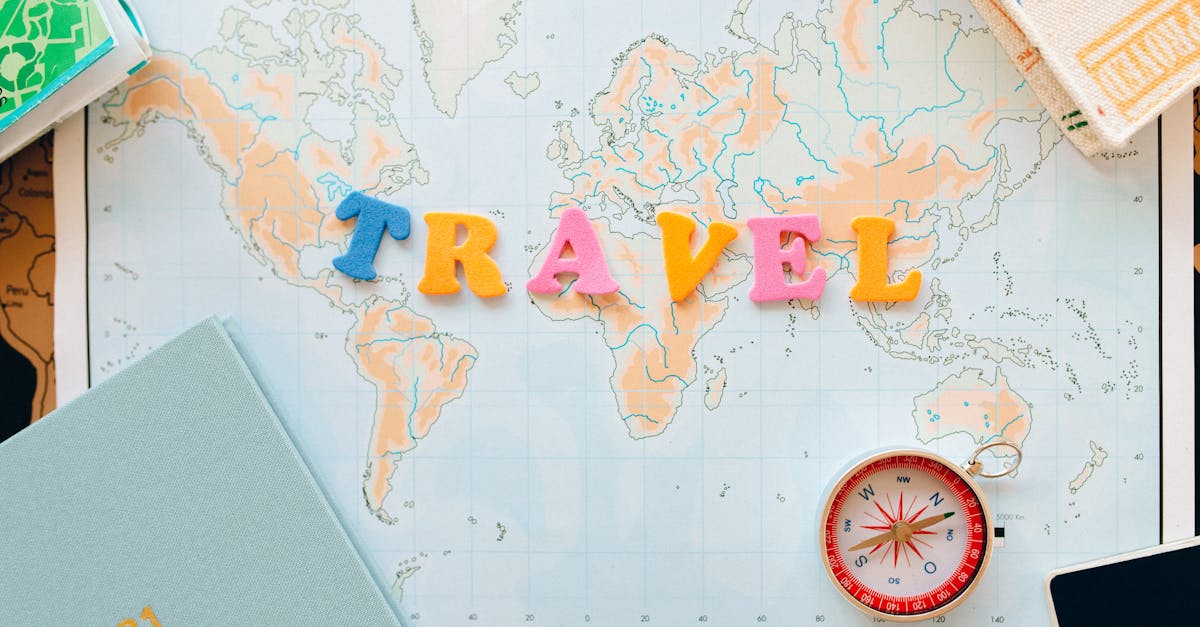
*(Photo: Nataliya Vaitkevich / Pexels)*
---
**Plan your trip**
**[See real prices now on Babel.Travel](https://babel.travel/compare/flights)**
[Search flights](https://babel.travel/compare/flights) · [Book hotels](https://www.booking.com/index.html) · [Tours & experiences](https://www.getyourguide.com/?partner_id=BXIP8VX) · [Attraction tickets](https://tiqets.tpx.lu/NIRKyZHf?erid=2VtzqvMUUsg) · [Theme parks & passes](https://klook.tpx.lu/wBs3yKXN?erid=2VtzqvK2m6e) · [Holiday packages (Delfin)](https://delfin-tour.tpx.lu/712Uf9XA)
— Daniel Farkas
with babel.travel-team
**References**
Condé Nast Traveler (2026) 'Australia Opens New Great Barrier Reef Eco-Resort', *Condé Nast Traveler*. Available at: https://www.cntraveler.com (Accessed: 30 October 2026).
Al Jazeera (2026) 'Morocco's New Train Network Connects Major Tourist Cities', *Al Jazeera*. Available at: https://www.aljazeera.com (Accessed: 30 October 2026).
CNBC (2026) 'Airfare Prices Expected to Drop This Summer', *CNBC*. Available at: https://www.cnbc.com (Accessed: 30 October 2026).
Food & Wine (2026) 'Vietnam Emerges as Top Food Tourism Destination', *Food & Wine*. Available at: https://www.foodandwine.com (Accessed: 30 October 2026).
Forbes (2026) 'New Zealand Introduces Digital Nomad Visa', *Forbes*. Available at: https://www.forbes.com (Accessed: 30 October 2026).
The Independent (2026) 'Swiss Alps See Boom in Year-Round Tourism', *The Independent*. Available at: https://www.independent.co.uk (Accessed: 30 October 2026).