Global Unrest and Travel: Navigating Volcanic Delays, Protests, and Political Shifts
Recent global events are creating significant challenges and considerations for travelers worldwide. Indonesia faces widespread airport closures due to volcanic ash from Anak Krakatau, causing major flight disruptions. Meanwhile, political developments in Germany and anti-immigration protests blocking ferry ports in Britain highlight social and political unrest impacting accessibility and safety. These diverse global issues underscore a complex landscape for international travel, urging travelers to stay informed and flexible.
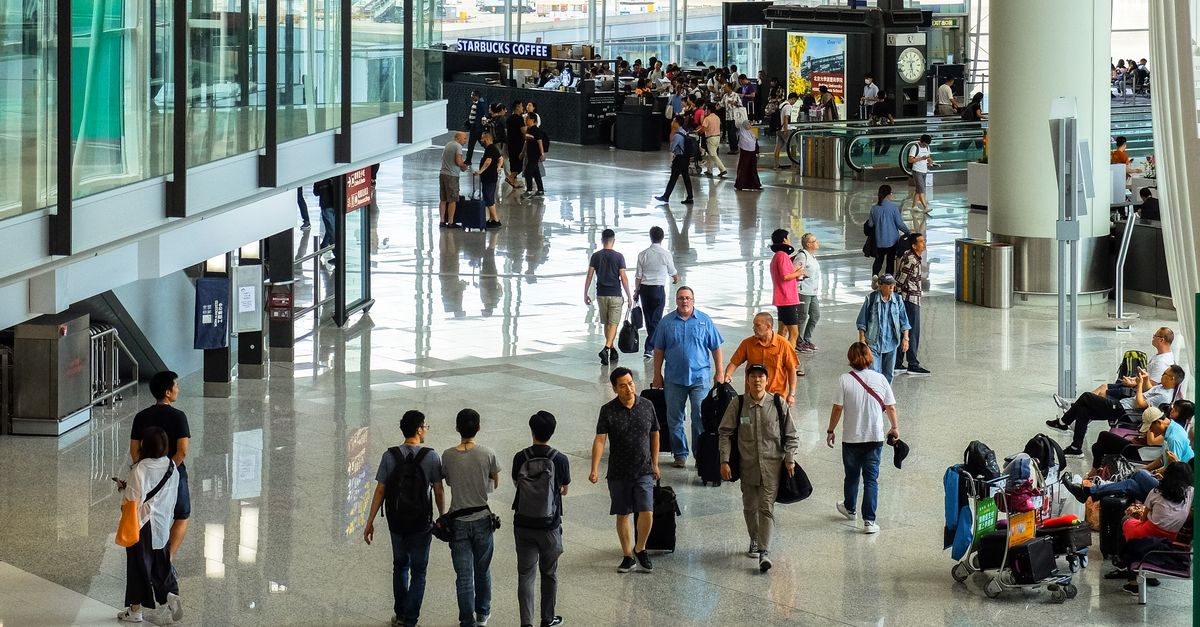
By Daniel Farkas ·
Travel story
**Quick Answer**
The global travel landscape in late 2026 presents a complex tapestry of geopolitical tensions, natural disasters, and localized disruptions, necessitating heightened awareness and flexible planning for travelers (Reuters, 2026; The Guardian, 2026). Key regions like Indonesia face significant air travel impacts from volcanic activity, while Europe contends with political shifts and cross-border tensions, and parts of the Middle East remain volatile due to ongoing conflicts (Al Jazeera, 2026; Bloomberg.com, 2026).
**Key Numbers at a Glance**
| Metric | Value | Source |
|---|---|---|
| Indonesian airports closed | 8 | Reuters, 2026 |
| UK port traffic jam length | 4 miles | The Times of Israel, 2026 |
| Fatalities in Lebanon air attacks | At least 4 | Al Jazeera, 2026 |
| Year of reported events | 2026 | Multiple sources |
| German state election focus | Saxony-Anhalt | The Guardian, 2026 |
| Countries impacted by Nepal floods | Nepal & China | AP News, 2026; CNN, 2026 |
The world beckons, a vibrant mosaic of cultures, landscapes, and experiences, forever calling to the intrepid spirit. Yet, as we stand on the cusp of exploration in late 2026, the global stage presents a compelling narrative of change and challenge. From the churning depths of Anak Krakatau's volcanic embrace to the intricate dance of European politics and the persistent drumbeat of geopolitical tensions, the very fabric of travel is being rewoven. This isn't a call to retreat, but an invitation to engage with the world more deeply, to understand its nuances, and to navigate its currents with informed curiosity and adaptability.
At BABEL.TRAVEL, we believe that understanding the pulse of the world is paramount for any meaningful journey. The recent headlines, while pointing to isolated incidents and regional shifts, collectively underscore a crucial truth: the travel experience is inextricably linked to global events. Being an informed traveler means more than just knowing where to go; it means understanding the 'why now?' and 'how best?' in a world that never stands still. Join us as we unpack the implications of these developments, offering not just warnings, but pathways to discovering the resilience, beauty, and untold stories that continue to define our planet, even in its moments of flux.
**A World in Flux: Navigating Geopolitical Headwinds and Shifting Sands**
The year 2026 has unfurled a series of events that compel us to reflect on the intricate interplay between global politics, natural phenomena, and the freedom of movement that lies at the heart of travel. Europe, a perennial favorite for its historical depth and diverse cultures, finds itself navigating complex political currents. Germany, an economic powerhouse and cultural beacon, has seen a notable shift with the far-right AfD party gaining ground, particularly in Saxony-Anhalt (The Guardian, 2026). This political development, underscored by French warnings of a "serious moment" and acknowledged cooperation with figures like Elon Musk (The Guardian, 2026), introduces a layer of political uncertainty that astute travelers will want to consider. While Germany's major metropolitan areas like Berlin, Munich, and Hamburg, and its scenic regions such as the Black Forest or the Romantic Road, continue to offer their timeless appeal, an awareness of the changing sociopolitical climate is prudent. It’s a reminder that beneath the surface of picturesque villages and bustling cities, national narratives are constantly evolving, influencing everything from local sentiment to international relations. This internal shift, when combined with Russian Foreign Minister Sergei Lavrov's stark warning about Germany moving towards a "direct confrontation with Russia" (Bloomberg.com, 2026), paints a picture of heightened geopolitical tension across the continent. Such rhetoric, while often part of diplomatic maneuvering, necessitates a cautious approach to regional travel planning, potentially impacting perceptions of safety and stability in central and eastern Europe. Travelers are encouraged to monitor international relations closely, understanding that political rhetoric can quickly manifest in tangible impacts on border crossings, flight paths, and even the local atmosphere in various regions.
Meanwhile, the Middle East continues its complex geopolitical dance, a region rich in ancient history and vibrant contemporary culture, yet frequently marked by volatility. The denial by the U.S. military of an Iranian strike on an uncrewed American vessel in the Strait of Hormuz (AP News, 2026) serves as a stark reminder of the delicate balance of power in this vital maritime choke point. While specific tourist destinations in the Gulf might not be directly impacted by military incidents, the general background noise of such tensions can influence travel insurance policies, flight routes (which often avoid conflict zones), and overall traveler confidence in the broader region. More immediately, the tragic news of Israeli air attacks on Lebanon, resulting in at least four fatalities in areas like Arab Salim and Nabatieh al-Fawqa (Al Jazeera, 2026), casts a long shadow over the Levant. Lebanon, a country celebrated for its stunning coastlines, ancient ruins of Baalbek, and the vibrant energy of Beirut, unfortunately, remains subject to periodic conflict. For travelers, this means specific regions, particularly along the southern border with Israel, are under severe advisories, if not outright warnings against travel. The broader implication is the need for rigorous pre-trip research, vigilance, and potentially reconsidering travel to areas proximal to active conflict zones, no matter how tempting their historical or cultural allure. These events underscore a critical aspect of modern travel: while the world is more accessible than ever, it is also increasingly interconnected, meaning regional instabilities can have ripple effects far beyond their immediate epicenters.
**Navigating the Unpredictable: Strategies for the Modern Traveler**
The immediate, tangible impact on travel planning often stems from disruptions closer to the ground – or in the air, as recent events dramatically illustrate. Southeast Asia, a region beloved for its lush landscapes, spiritual retreats, and bustling metropolises, has faced significant challenges. The iconic "Ring of Fire" has once again demonstrated its formidable power, with Anak Krakatau's volcanic activity forcing the closure of eight Indonesian airports, including two serving the sprawling capital of Jakarta (Reuters, 2026). This is not merely an inconvenience; it represents a major logistical hurdle for hundreds of thousands of travelers. Volcanic ash, a silent but destructive force, can ground flights for days, causing cascading delays and cancellations across regional and international networks. Airlines must reroute, passengers scramble for alternative flights, and travel plans to popular destinations like Bali, Lombok, or the cultural heartland of Yogyakarta can be severely impacted. The economic ramifications for local tourism industries are profound, as are the personal costs for travelers in terms of lost time and unexpected expenses. For those planning a journey through Indonesia or even connecting through its major hubs, this event underscores the absolute necessity of flexibility, robust travel insurance, and a proactive approach to monitoring real-time flight status and local advisories.
Concurrently, Europe, specifically the United Kingdom, has grappled with its own set of disruptions. Masked anti-immigration protesters, chanting "stop the boats," caused a four-mile traffic jam by blocking roads to Britain's busiest ferry port in Dover (The Times of Israel, 2026). This incident, though localized and eventually resolved, highlights the potential for social unrest to directly impede travel. For travelers relying on cross-Channel ferries for their European road trips or quick getaways to France, Belgium, or the Netherlands, such blockades can lead to hours of delays, missed connections, and significant frustration. It emphasizes the need for an awareness of local sociopolitical climates, even in seemingly stable countries. While such protests are typically short-lived, they serve as a potent reminder that ground transport, much like air travel, can be vulnerable to unforeseen disruptions. The UK government's condemnation of the action (The Times of Israel, 2026) reflects the seriousness with which such blockades are viewed, both for citizens and the crucial tourism sector.
Adding to the global tapestry of challenges, South Asia has been tragically affected by severe flooding. Nepal, a land of majestic Himalayan peaks and profound spiritual heritage, experienced devastating deluges, leading to anxious waits for families like Lu Haitao's in China, who were relieved only after his rescue from a protective tunnel (AP News, 2026). The scale of the disaster is further illuminated by reports from China's wiped-out border zone, specifically at Gyirong Port, where the fate of hundreds remains unknown (CNN, 2026). This humanitarian crisis has far-reaching implications for travel to the region. Infrastructure, including roads and trekking routes, may be severely damaged or completely inaccessible. Popular trekking areas might be temporarily closed, and the focus shifts rightly to recovery and reconstruction. For adventure travelers drawn to the Annapurna Circuit, Everest Base Camp, or the cultural treasures of Kathmandu Valley, careful research into the affected areas, the operational status of trails, and the capacity of local communities to host tourists becomes paramount. It's a sobering reminder that natural disasters can reshape landscapes and travel possibilities with brutal efficiency, demanding not just logistical planning but also a degree of empathetic understanding and ethical consideration from travelers. In all these scenarios, the modern traveler is called upon to be more than just a tourist; they must be an informed, adaptable, and responsible global citizen.
**Practical Travel Tips**
Given the dynamic global landscape, here are essential, actionable tips for navigating your next adventure:
- **Monitor Travel Advisories Diligently:** Before and during your trip, check official government travel advisories (e.g., U.S. Department of State, UK Foreign Office) and local news sources daily. For regions like Germany (Bloomberg.com, 2026) or the Middle East (Al Jazeera, 2026), political and security updates are crucial.
- **Invest in Comprehensive Travel Insurance:** Ensure your policy covers not just medical emergencies and lost luggage, but also flight cancellations due to natural disasters (like volcanic ash in Indonesia – Reuters, 2026) and delays or curtailments due to civil unrest (such as the UK port blockades – The Times of Israel, 2026) or geopolitical events. Read the fine print carefully regarding "acts of war" exclusions for regions like Lebanon.
- **Prioritize Flexible Bookings:** Whenever possible, book flights and accommodations with flexible change or cancellation policies. While often slightly more expensive, this flexibility is invaluable when disruptions (e.g., airport closures due to Anak Krakatau – Reuters, 2026) necessitate last-minute itinerary adjustments.
- **Prepare Alternative Transport Routes:** For regional travel, especially in Europe or within countries like the UK, research alternatives to planes or ferries. Consider high-speed rail for inter-city travel in Germany or across the Channel via Eurostar to avoid potential port disruptions (The Times of Israel, 2026).
- **Build Buffer Days into Your Itinerary:** Allow for extra time between connections, especially when traveling through potentially volatile regions or those prone to natural events. An extra day can absorb unexpected delays and prevent missed international flights.
- **Stay Connected and Charged:** Always carry a portable power bank and consider purchasing a local SIM card upon arrival. Access to real-time information via news apps, airline updates, and social media is critical for navigating unforeseen circumstances.
- **Pack an Emergency Mini-Kit:** Include essential medications, a change of clothes, basic toiletries, and a small amount of local currency in your carry-on, in case of unexpected overnight delays or diversions.
- **Engage with Local Expertise:** In destinations recovering from natural disasters, like Nepal (CNN, 2026), consider hiring local guides or tour operators who have up-to-date knowledge of safe routes and operational services, ensuring your travel supports community recovery responsibly.
- **Understand Local Sentiment:** Be aware of the local political and social climate, especially in regions experiencing unrest (Germany's AfD rise – The Guardian, 2026; UK protests – The Times of Israel, 2026). A respectful and informed approach enhances your safety and experience.
- **Cost Estimates & Budgeting:** Factor in a contingency fund (15-20% of your budget) for unexpected costs like extended stays, alternative transport, or last-minute bookings. Prices can fluctuate wildly during disruptions.
- **Best Time to Visit:** While seasonality usually dictates this, political events or natural disasters can shift optimal travel windows. For regions like Indonesia, monitoring volcanic activity may be more critical than traditional weather patterns (Reuters, 2026).
- **Where to Stay:** For flexibility, choose accommodations near public transport hubs or with free cancellation. In cities like Jakarta, consider hotels with good air filtration in case of ash.
- **What to Eat:** Always prioritize local, reputable eateries. In times of stress or disruption, familiar comfort foods can be a small solace, but also explore local specialties that offer a taste of resilience and culture.
- **What to Book in Advance:** Major flights (with flexible options), essential tours, and high-demand accommodation. However, for internal travel or less critical bookings, maintaining flexibility allows for adaptation.
**Regional Resilience and Hidden Charms Amidst Turmoil**
Despite the headlines, the world’s most captivating destinations retain their allure, often showcasing remarkable resilience and offering unique perspectives to the discerning traveler. While the political landscape in **Germany** merits informed awareness, the vast majority of the country continues to welcome visitors with its characteristic blend of efficiency and charm. Beyond the immediate focus of the AfD's rise in Saxony-Anhalt (The Guardian, 2026), regions like Bavaria with its majestic Alps and fairytale castles (think Neuschwanstein, a must-see for romantics), or the vibrant artistic hubs of Berlin and Hamburg, remain undiminished. Berlin, a city that has reinvented itself multiple times, offers unparalleled historical depth at the [Brandenburg Gate](https://tiqets.tpx.lu/NIRKyZHf?erid=2VtzqvMUUsg), contemporary art at Museum Island, and a thriving culinary scene from Michelin-starred restaurants to bustling street food markets like Markthalle Neun. The Rhine Valley, a UNESCO World Heritage site, invites leisurely river cruises past ancient castles and vineyards, far from the political discourse of the east. Travelers can immerse themselves in traditional German culture at a rustic Biergarten in Munich, explore the scientific marvels at the Deutsches Museum, or delve into the country's rich classical music heritage at the Leipzig Gewandhaus.
In **Indonesia**, while volcanic ash from Anak Krakatau may temporarily close airports serving Jakarta and other hubs (Reuters, 2026), the archipelago's sheer scale means countless other islands and regions remain open and breathtakingly beautiful. Instead of focusing solely on traditional entry points, consider flying into less-affected regional airports and exploring islands like Lombok, known for its pristine beaches at Tanjung Aan and the majestic Mount Rinjani, offering incredible trekking opportunities. Or perhaps venture further east to Flores, the gateway to Komodo National Park, where you can witness the legendary Komodo dragons in their natural habitat and dive into vibrant coral reefs around Pink Beach. Bali, the "Island of the Gods," though popular, offers spiritual retreats in Ubud, surfing lessons in Seminyak, and serene rice paddies that continue to flourish, often accessible via alternative routes or domestic transfers once beyond the immediate ash-affected zones. Exploring the lesser-known islands allows travelers to support local economies that might be bypassed by major disruptions, finding hidden gems like the volcanic craters of Ijen on Java, or the traditional villages of the Toraja people in Sulawesi.
The **United Kingdom**, despite the temporary disruption at Dover (The Times of Israel, 2026), remains an evergreen destination. Travelers can easily bypass the ferry port by opting for Eurostar trains from continental Europe directly into London St Pancras International, or by flying into regional airports like Manchester, Edinburgh, or Glasgow, which offer direct connections to countless destinations. Beyond London's iconic landmarks – the [Tower of London](https://tiqets.tpx.lu/NIRKyZHf?erid=2VtzqvMUUsg), [Buckingham Palace](https://tiqets.tpx.lu/NIRKyZHf?erid=2VtzqvMUUsg), the [British Museum](https://tiqets.tpx.lu/NIRKyZHf?erid=2VtzqvMUUsg) – the UK’s diverse landscapes invite exploration. Head north to the Scottish Highlands for dramatic scenery and ancient castles, or west to Wales for rugged coastlines and the Snowdonia National Park. The Cotswolds offer quintessential English charm with honey-colored villages and rolling hills, while the vibrant cities of Liverpool and Manchester boast rich musical and industrial heritage. The resilience of British culture, from its pub scene to its world-class theatre, ensures a warm welcome regardless of temporary transit challenges.
Finally, for **Nepal**, a nation of profound spirituality and awe-inspiring natural beauty, the recent floods (AP News, 2026; CNN, 2026) have caused immense hardship, particularly in border zones like Gyirong Port. However, the spirit of the Nepali people and the country's enduring appeal persist. While some trekking routes and remote areas may require extensive recovery, many of the country's iconic cultural sites in the Kathmandu Valley – including the ancient stupas of Boudhanath and Swayambhunath, and the historic squares of Durbar Square – continue to stand. Adventurers can explore less-impacted trekking regions such as the Annapurna foothills or cultural treks that focus on lower elevations, providing support to local communities through responsible tourism. It is crucial to engage with local tour operators who can provide the most current information on accessibility and safety, ensuring that your visit contributes positively to the country’s recovery efforts while respecting the solemnity of the recent events. The warmth and hospitality of the Nepali people, alongside the majestic backdrop of the Himalayas, continue to offer an unparalleled, transformative travel experience.
**Planning Your Trip: Mastering the Art of Flexible Exploration**
Planning a trip in an era defined by dynamic global events requires a refined approach, balancing meticulous preparation with an unyielding commitment to flexibility. The first step, always, is exhaustive research into your chosen destination, particularly concerning the specific events highlighted in the news (The Guardian, 2026; Reuters, 2026; Al Jazeera, 2026). This involves not just guidebook insights but a deep dive into current events, official government travel advisories, and reputable news sources. Understanding the geopolitical climate in Germany (Bloomberg.com, 2026), the environmental status in Indonesia (Reuters, 2026), or the security situation in Lebanon (Al Jazeera, 2026) is paramount before any booking is made.
Once your research is complete, prioritize **booking flights and major transportation**. Given the potential for disruptions like volcanic ash closures in Indonesia (Reuters, 2026) or port blockades in the UK (The Times of Israel, 2026), opt for airlines and tickets that offer maximum flexibility for changes or cancellations, even if they come at a slightly higher premium. This is an investment in peace of mind. For inter-European travel, consider high-speed rail networks like Deutsche Bahn in Germany or Eurostar for UK access, which can often be less susceptible to the specific types of delays that affect air or ferry travel. Secure your comprehensive travel insurance immediately after booking your initial travel components; this ensures coverage for unforeseen events that may arise between booking and departure.
For **accommodation**, while securing your first night or two is prudent, consider leaving subsequent nights flexible, especially if your itinerary involves multiple stops or areas prone to natural events. Many hotels offer free cancellation up to 24-48 hours before check-in, allowing you to adapt on the fly if, for example, a route becomes impassable due to floods in Nepal (CNN, 2026) or a city experiences unexpected unrest. When traveling to areas with a heightened geopolitical backdrop, like the broader Middle East or parts of Europe sensitive to international tensions, it might be advisable to choose hotels with robust security protocols.
A realistic **budget breakdown** is critical. Beyond the usual categories of flights, accommodation, food, and activities, build in a substantial contingency fund – we recommend at least 15-20% of your total budget. This buffer will absorb unexpected costs from rebooking flights, extending stays due to disruptions, or having to choose more expensive last-minute transport options. Factor in the cost of high-quality travel insurance, which is not a luxury but a necessity in today’s volatile travel landscape. For regions affected by natural disasters, such as Nepal, consider allocating a portion of your budget for ethical tourism initiatives or donations to local recovery efforts, ensuring your visit contributes positively.
Finally, while some activities like popular museum tours in Berlin or major temple visits in Bali might require advance booking, maintain an element of spontaneity for others. Leave room in your itinerary for local discoveries or to pivot quickly if a planned activity is no longer feasible due to unforeseen circumstances. Staying informed through local news and, where possible, engaging with local guides or contacts who have their finger on the pulse of the destination, will empower you to make informed decisions and transform potential setbacks into memorable, adaptable journeys. This approach to planning fosters not just travel, but truly resilient exploration.
**Frequently Asked Questions**
**Q: Is it safe to travel to Germany right now given the political news?**
A: While recent political shifts, including the AfD's rise and associated warnings (The Guardian, 2026; Bloomberg.com, 2026), are noted, major tourist areas and cities in Germany remain generally safe. Travelers are advised to be aware of local sentiment and monitor international relations, though direct impact on typical tourist experiences is usually minimal.
**Q: How do volcanic ash clouds affect air travel in Indonesia?**
A: Volcanic ash, like that from Anak Krakatau, can cause significant disruption by closing airports, leading to extensive flight delays, cancellations, and re-routing, as seen with eight Indonesian airports, including Jakarta's, being shut (Reuters, 2026). This necessitates flexible planning and robust travel insurance.
**Q: What are the main risks for travelers to the UK currently?**
A: Travelers to the UK should be aware of potential road disruptions due to protests, such as the anti-immigration demonstrations that blocked access to Dover ferry port, causing a four-mile traffic jam (The Times of Israel, 2026). Checking transport updates before travel, especially for ferry routes, is highly recommended.
**Q: Can I still travel to Nepal after the floods?**
A: While severe flooding significantly impacted some border areas and infrastructure, such as Gyirong Port (CNN, 2026), many popular trekking regions and cultural sites in Nepal remain accessible. It is crucial to research specific areas, consult local tour operators, and monitor conditions closely, supporting recovery efforts where possible.
**Q: Should I be concerned about travel to the Middle East?**
A: Regional tensions, including incidents in the Strait of Hormuz (AP News, 2026) and active conflict in specific areas of Lebanon (Al Jazeera, 2026), necessitate extreme caution and vigilance. Travel to specific conflict-affected zones is strongly discouraged, and travelers should consult official advisories for the broader region.
The world, in all its complexity, remains an incredible place to explore. The narratives emerging from late 2026 – tales of political shifts in Europe, volcanic disruptions in Southeast Asia, humanitarian crises in the Himalayas, and ongoing tensions in the Middle East – are not deterrents for the informed traveler, but rather calls to a more conscious and engaged form of exploration. These events underscore the interconnectedness of our planet and highlight the importance of adaptability, empathy, and responsible decision-making.
At BABEL.TRAVEL, we believe that understanding the world's challenges allows us to appreciate its enduring beauty and resilience even more profoundly. By arming ourselves with knowledge, embracing flexibility, and prioritizing safety, we can continue to forge unforgettable journeys, discover hidden gems, and contribute positively to the communities we visit. Let these dynamic times inspire you not to shy away, but to step forward with renewed purpose and an open heart, ready to connect with the world's evolving story. Your next adventure awaits, richer and more meaningful for your informed perspective.
**Expert Perspective**
Traveling in today's world can be full of uncertainties, from sudden volcanic eruptions causing flight delays to unexpected political protests disrupting your plans. It's important to stay informed and prepared when navigating through global unrest. Here are some essential travel tips to help you stay safe and flexible during your travels:
1. Stay informed: Before you embark on your journey, make sure to stay updated on the current events and potential risks in the countries you will be visiting. Check the latest travel advisories from your government and reputable news sources to stay informed about any potential disruptions.
2. Plan ahead: Have a backup plan in case of any unexpected events that may disrupt your travel. Consider purchasing travel insurance that covers trip cancellations and delays due to unforeseen circumstances.
3. Stay flexible: Be prepared to adjust your travel plans if needed. Consider booking refundable accommodations and flights to allow for flexibility in case of any disruptions.
4. Pack essentials: Make sure to pack essential items such as medications, important documents, and emergency contact information in case of any emergencies. It's also a good idea to have a basic first aid kit and a portable charger for your devices.
5. Stay safe: Keep a low profile and avoid participating in any political demonstrations or protests. Stay alert and be aware of your surroundings at all times.
By following these essential travel tips, you can navigate through global unrest with ease and ensure a safe and enjoyable journey. Remember to stay informed, flexible, and prepared for any unexpected events that may
---
*(Photo: AirTeo | Air Travel / Pexels)*
---
**Plan your trip**
**[See real prices now on Babel.Travel](https://babel.travel/compare/flights)**
[Search flights](https://babel.travel/compare/flights) · [Book hotels](https://www.booking.com/index.html?aid=679441) · [Tours & experiences](https://www.getyourguide.com/?partner_id=BXIP8VX) · [Attraction tickets](https://tiqets.tpx.lu/NIRKyZHf?erid=2VtzqvMUUsg) · [Theme parks & passes](https://klook.tpx.lu/wBs3yKXN?erid=2VtzqvK2m6e) · [Holiday packages (Delfin)](https://delfin-tour.tpx.lu/712Uf9XA)
— Daniel Farkas
with babel.travel-team
**References**
The Guardian (2026) 'Germany’s far-right AfD thanks Elon Musk as France warns state election win a ‘serious moment’', *The Guardian*. Available at: https://www.theguardian.com/world/2026/sep/07/afd-thanks-elon-musk-german-state-elections-2026-win (Accessed: 7 September 2026).
Reuters (2026) 'Eight Indonesian airports remain shut due to volcanic ash from Anak Krakatau', *Reuters*. Available at: https://www.reuters.com/business/environment/eight-indonesian-airports-remain-shut-due-to-volcanic-ash-anak-krakatau-2026-09-07/ (Accessed: 7 September 2026).
AP News (2026) 'US denies that Iran struck an uncrewed US military ship in the Strait of Hormuz', *AP News*. Available at: https://apnews.com/article/mideast-iran-us-hormuz-lebanon-israel-b4f64c7492d8c5b9ff71794cc152186d (Accessed: 7 September 2026).
The Times of Israel (2026) 'Masked anti-immigration protesters block roads to Britain’s busiest ferry port', *The Times of Israel*. Available at: https://www.timesofisrael.com/masked-anti-immigration-protesters-block-roads-to-britains-busiest-ferry-port/ (Accessed: 7 September 2026).
AP News (2026) 'Nepal flood survivor’s family in China relieved after days of anxious waiting', *AP News*. Available at: https://apnews.com/article/nepal-floods-chinese-man-lu-rescued-family-7096a95447c25b9f49655acd7ac673e4 (Accessed: 7 September 2026).
Bloomberg.com (2026) 'Lavrov Warns That Germany Is Moving Toward War With Russia', *Bloomberg.com*. Available at: https://www.bloomberg.com/news/articles/2026-09-06/lavrov-warns-that-germany-is-moving-toward-war-with-russia (Accessed: 7 September 2026).
CNN (2026) 'On the ground in China’s wiped-out border zone, the fate of hundreds is still unknown', *CNN*. Available at: https://www.cnn.com/2026/09/06/china/china-nepal-floods-gyirong-port-intl-hnk (Accessed: 7 September 2026).
Al Jazeera (2026) 'Israeli air attacks on Lebanon kill at least four', *Al Jazeera*. Available at: https://www.aljazeera.com/news/2026/9/6/israeli-air-attacks-on-lebanon-kill-at-least-four (Accessed: 7 September 2026).